FLORENCE, AZ — Florence Town Council directed staff to prioritize water management at the town’s cemetery during its June 16 meeting. The Florence Memorial Park master plan presented Tuesday proposes replacing private water lines installed by families, includes a Phase 1 cremation garden estimated at about $155,000 Canadian (about $109,000 U.S. at current rates), and outlines a long-term redesign of the property.
Council took no formal vote. However, members instructed staff to focus first on water, review rates at surrounding cemeteries, and bring back budget and fee options at one of the work sessions scheduled through September.
Vancouver-based landscape architect Richard Cook, an owner of Lees & Associates who heads its cemetery planning practice, presented the plan remotely. His firm specializes in municipal cemetery planning and has completed about 600 projects overall, including 60 across 20 states.
Water System Tops the Florence Memorial Park Master Plan Priorities
“For me, the biggest item here is our water,” Mayor Keith Eaton told Cook. He explained that over the years, families have tapped into the town’s main water line at the cemetery and attached their own spigots and irrigation pipes. As a result, the town does not know where many of those lines run.
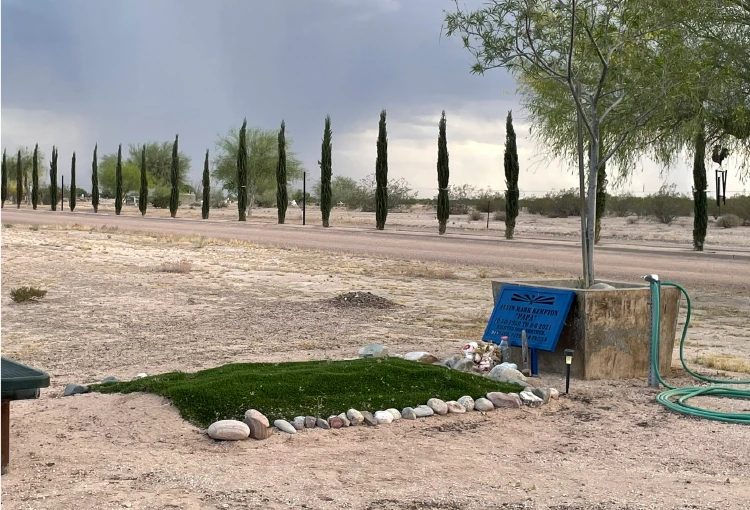
“There was thousands and thousands and thousands of gallons of water that were just, you know, being used,” Eaton said. He added, “The water is an extremely emotional item for families.” Many installed the water lines themselves over the years to keep trees and plants alive on loved ones’ graves.
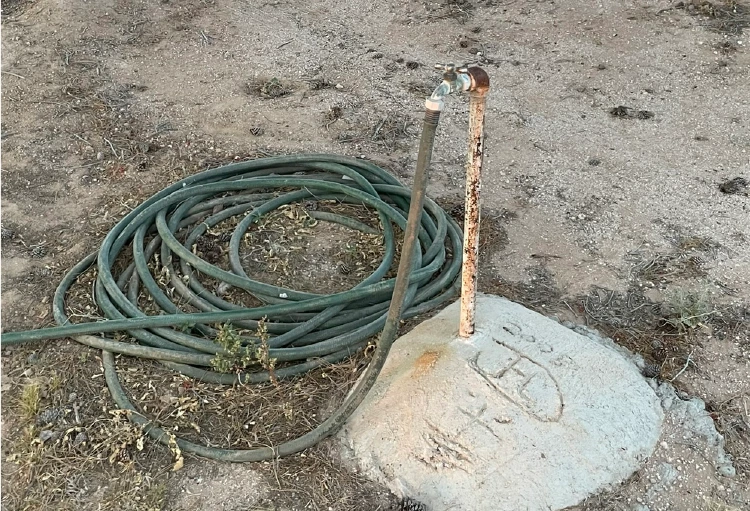
Cook said the unmapped pipes also create operational problems. Staff “are faced with surprises in the ground that can make it difficult to accommodate and deal with in the moment when they were about to open and close a grave or just reach a grave,” he said. Additionally, leaking pipes may waste water that no one currently monitors.
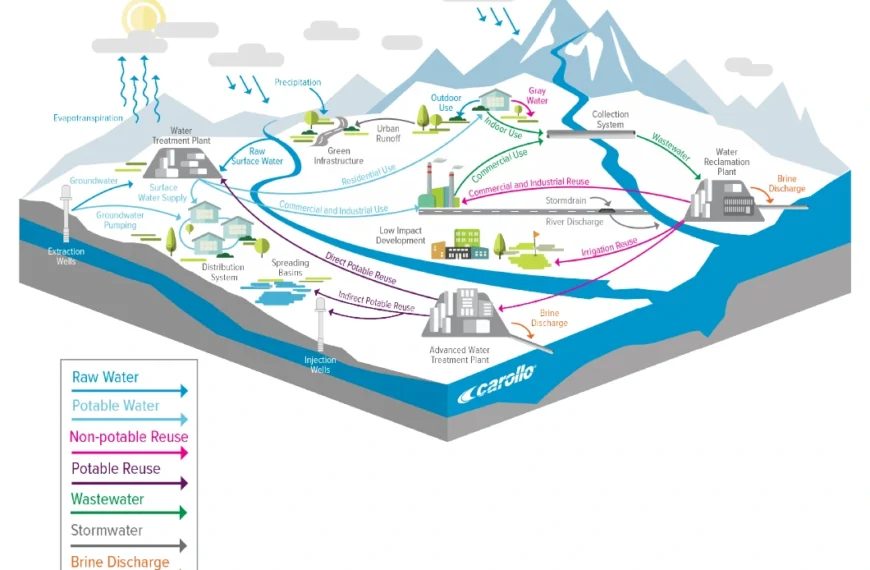
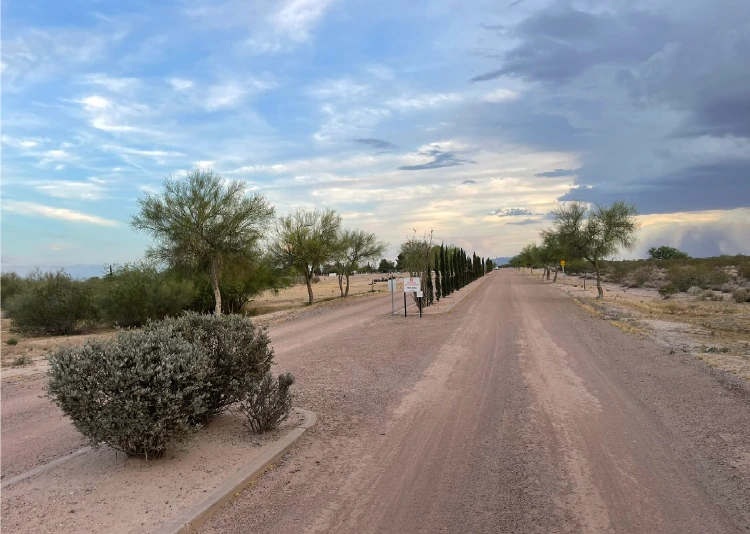
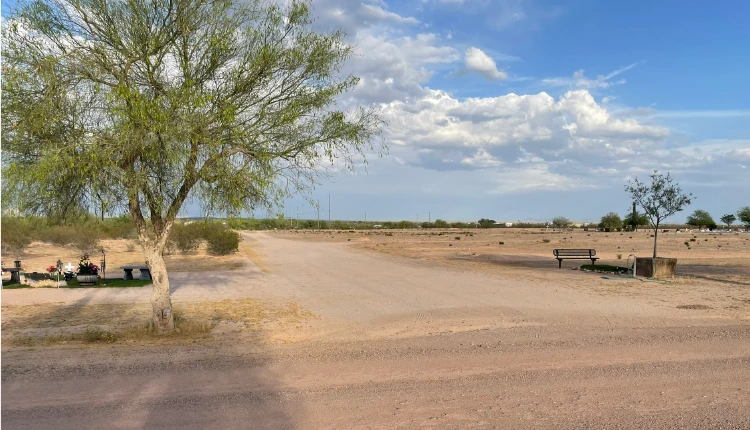
The strategy therefore proposes gradually replacing private spigots and irrigation lines with an efficient irrigation system controlled by the town. The plan also recommends regrading parts of the cemetery so rainfall and stormwater flow into new planting zones. Under the proposed approach, new trees and shrubs would be introduced in phases along the cemetery’s wide driveways, which Cook called “common property areas.”
Cremation Garden Design Reflects National Trends
Administrative Project Manager Jarod Thiele told council that cremation has overtaken traditional burials nationally. He said the ad hoc committee identified columbarium design and water system improvements as the two primary goals for this project. Cook reinforced the trend, saying his firm has tracked the same shift across the country. “The number of people who are choosing full body burial as their final disposition is really not growing,” he said. He argued that offering a range of cremation interment options would make the park more relevant to area families.
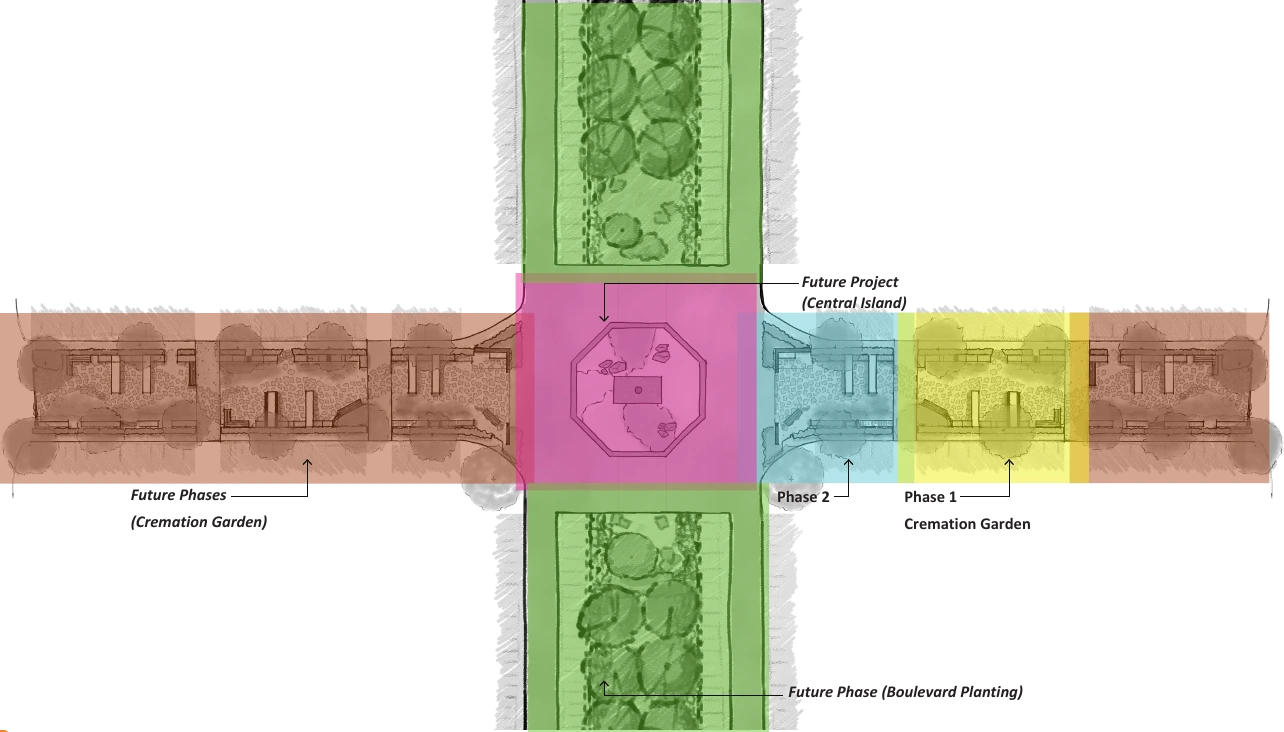
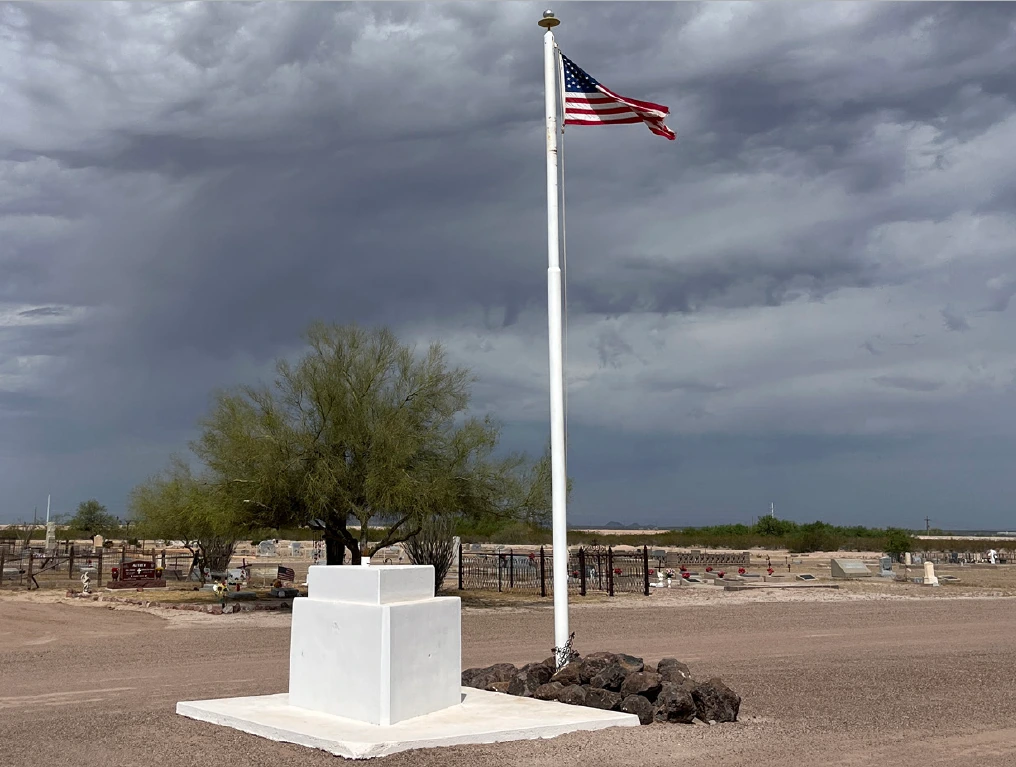
In the design Cook presented, the first cremation garden would sit opposite the central flagpole, within a pilot area Cook called the “Big Central Boulevard.” A future garden could later expand on the opposite side, refined based on lessons learned. Phase 1 would include one columbaria unit with 48 above-ground niches, flagstone paving, seating, and native desert plantings. Proposed materials include sandstone shutters, gabion bases filled with dark gray and rust angular rock, weathered steel commemoration panels, and bronze leaves attached to memorial walls.
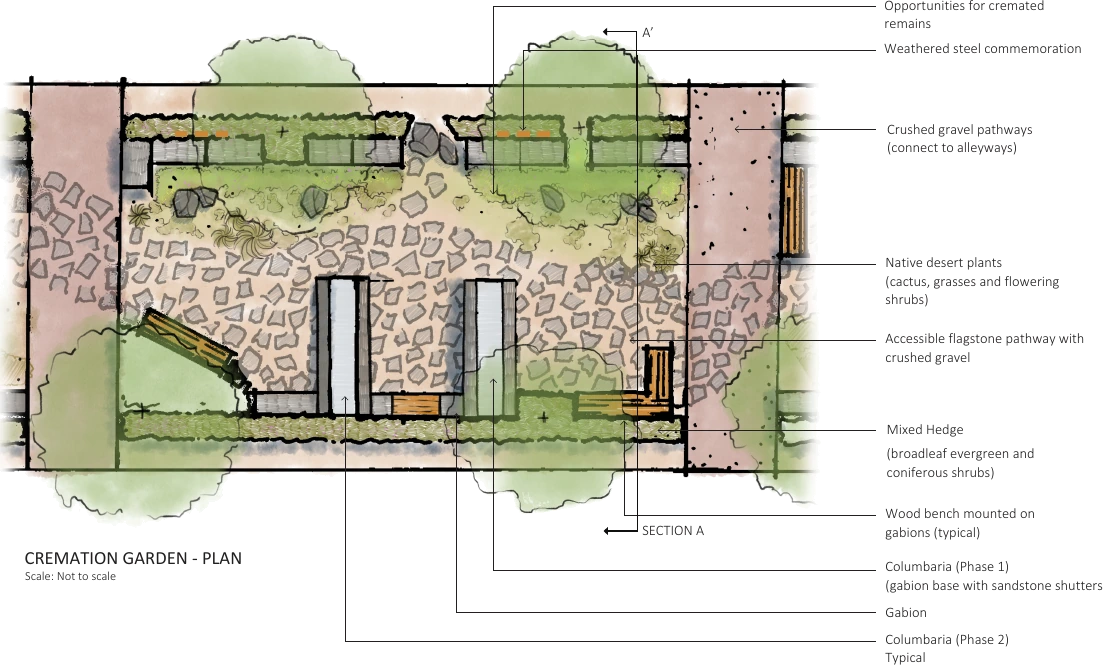
Cook described the design as “a small scale, bite-sized intervention of phased improvements that can be implemented across the cemetery over time should they prove successful.” He said the proposed plantings would use native desert species with lower water needs.
Protecting Family Trees, Plants, and Memorial Plantings
Eaton said the plan must protect what families have already planted. “I appreciate you thinking about the families’ trees and plants that they’ve planted, making sure that we are able to maintain that,” he told Cook and staff. He added that the town would still be “protecting what they’ve done and what the generations have planted there.”
The Lees & Associates report recommends working with the town’s arborist to identify trees that families consider “living memorial” trees, so they can be retained and watered while new common-area trees mature. Cook said families with graves would “benefit from the improved landscaping around their grave sites. It’s almost like a borrowed landscape context,” without bearing watering responsibility themselves.
The report also recommends relocating existing memorial trees from the median of the access drive. It then suggests ceasing the town’s Memorial Tree Program in its current form. That program currently lets residents make a $200 donation to honor a loved one, with Parks Maintenance staff planting and maintaining a tree marked by a 5-inch memorial plaque at its base. In its place, the report proposes selling memorial tree groves to families on a fixed-term subscription basis with renewal options.
Vice Mayor Cathy Adam asked for a written process for residents. She referenced a fifth-generation Florentino with relatives at the cemetery whose previously approved plantings had died. “He was told he’s not allowed to replace them,” she said. Therefore, she asked staff to develop documented guidance on what plantings are allowed and who residents should contact with questions.
Other Recommendations in the Report
Additional improvements outlined in the report include closing off access to the cemetery materials storage area, reworking the prisoner section to improve grave markers and record-keeping, and engaging with the Tohono community about the area of the cemetery used by Native American families. The report also recommends that the town adopt a comprehensive Cemetery Master Plan in 2026.
Council Members Weigh Cost Against Need
The report estimated Phase 1 of the cremation garden at about $155,000 in Canadian dollars, covering construction, contingency, and tax for the columbaria unit, paving, seating, and plantings within the garden itself. The presentation did not include cost estimates for the broader water management strategy or other recommendations.
Councilmember Nicole Buccellato, who was absent but had her email read into the record, wrote that “it is a gorgeous design and captures everything we could have ever hoped for in a memorial park,” but said current finances should come first. “I believe our immediate focus should be on addressing the water issues at the park and the necessary repairs for the graves that need dire attention,” she wrote. Additionally, she urged the council to revisit the larger project later “when the population and budget can support this.”
Councilmember Jose Maldonado, who served roughly a year on the ad hoc committee, agreed the columbarium is needed. However, he said the fees need to be recouped. “The water situation was very dire, and it hasn’t gotten any better,” he said. He added that cemetery fees have not been adjusted in a long time.
Councilmember Tony Bencina presented his own review of cemetery finances over the past decade and said the operation loses money. Furthermore, the town spent more than $100,000 in the last two years on road work and gates, and Florence does not charge an endowment fee that could help cover maintenance.
Bencina also called Coolidge Cemetery, which built a columbarium four years ago. He said the Coolidge facility has not had a single interment because of the cost. “People would rather put them in the ground,” he said. He argued the ad hoc committee report directed Florence to identify space for a future columbarium, not build one immediately. In addition, he said a funeral director in Coolidge complimented Florence on cleanup work but did not recommend many additional improvements.
In response, Cook pointed to his firm’s experience across municipal cemeteries in the U.S. and Canada. “In our experience across countless municipal cemetery operations across the States and across Canada, they were originally set up really as an essential service to the community at the time when many of our towns were incorporated,” he said. He added that “it’s extremely rare to have a municipal cemetery operation in the black from its own annual operating revenue.” Still, he argued that columbaria priced correctly within attractive landscaping can raise long-term revenue and make the cemetery more relevant to area families.
Eaton agreed about the financial outlook. “This will never be a money-maker for anybody that sits here and thinks that we’re gonna be making money on this,” he said. “This is part of our legacy, this is part of generations, and this is part of Florence, this is part of every town and every city.”
Vice Mayor Adam supported planning for the columbarium even if construction is delayed. “I do think that maybe we’re biting off more than we can chew with the columbarium at this point,” she said. However, she added that “it’s important that it’s planned and the spot is marked out.”
Water Work Moves Ahead of Columbarium Plans
Thiele said staff will examine rates at surrounding cemeteries, develop fee comparisons, and brainstorm budget options to bring back at a future work session. Eaton noted that work sessions are scheduled through September and suggested the cemetery item could fit into one of them.
The cremation garden remains under consideration in the broader Florence Memorial Park master plan effort. Florence Memorial Park’s hours, fees, and forms are listed on the town’s cemetery page.
Want Florence-only news? Follow our new Facebook group, Florence News by Pinal Post.